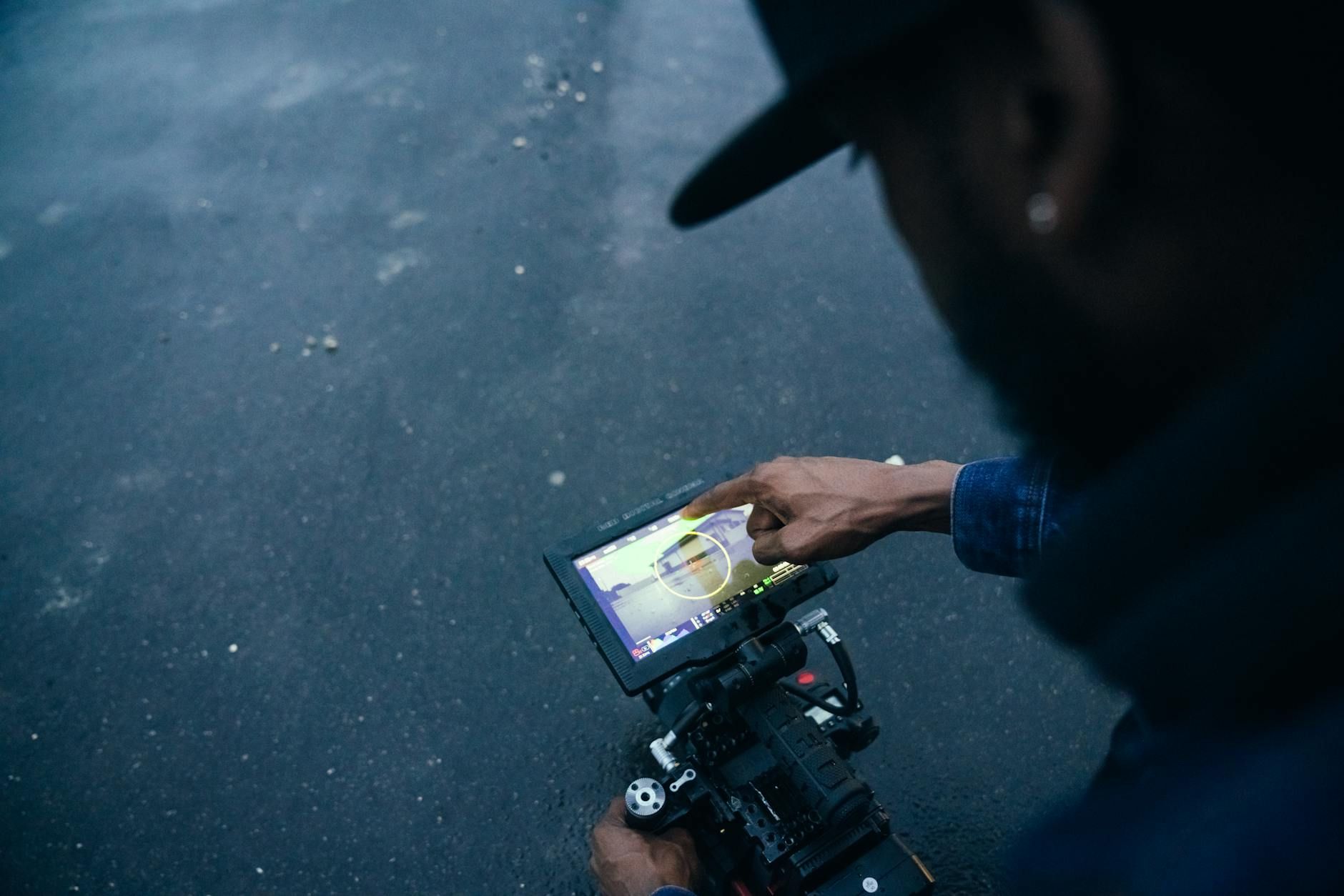
The Art of African Cinematography
How East African filmmakers are redefining visual storytelling.
For decades, Africa was seen through lenses held by outsiders — documentarians, aid organizations, Western media. The images were predictable: poverty, conflict, wildlife. Beautiful, perhaps, but incomplete. A new generation of East African cinematographers is reclaiming the narrative.
A Different Gaze
Baraka Ndung'u, whose short film "Karibu" won the Jury Prize at the Zanzibar International Film Festival, represents this shift. His camera doesn't seek the exotic or the tragic. Instead, it finds beauty in the ordinary — a matatu conductor's morning ritual, children playing in Eastlands, the golden light that hits Nairobi's skyline just before dusk.
"The most revolutionary thing an African filmmaker can do is show normal life," Ndung'u says. "Not poverty porn, not exotic safari footage — just life. Complicated, messy, beautiful, ordinary life."
Technical Innovation
East African filmmakers are also pushing technical boundaries. Working with smaller budgets than their Western counterparts, they've developed innovative approaches to lighting, camera movement, and post-production that are being studied at film schools worldwide.
Ndung'u shot "Karibu" entirely on a mirrorless camera, using natural light and practical effects. The result is a film with the visual warmth of 16mm film — achieved at a fraction of the cost.
The Streaming Revolution
Netflix, Amazon, and Showmax are all investing in African content, creating unprecedented opportunities for local filmmakers. But with opportunity comes responsibility. "We can't just make content that fits Western algorithms," warns Ndung'u. "We need to tell our stories our way, in our rhythm."
The most revolutionary thing an African filmmaker can do is show normal life.
— Baraka Ndung'u, Filmmaker